Mali’s waterways support transport, flood management, irrigation, and local communities. Many river sections are affected by sediment buildup, reduced flow capacity, and unplanned dredging activities. These issues increase the risk of flooding, disrupt navigation, and damage aquatic environments. This makes environmental dredging necessary for maintaining functional and safe waterways.
Dredging in Mali now faces tighter regulations and higher environmental expectations. Projects that disturb riverbeds without proper controls can cause long-term harm, including increased turbidity, loss of fish habitat, and downstream sediment spread. As a result, sustainable dredging is required to balance development needs with environmental protection.
Environmental dredging focuses on controlled sediment removal, limited disturbance, and proper handling of dredged material. When done correctly, it supports river performance while reducing ecological impact and regulatory risk. These practices are especially important for government projects, infrastructure contractors, and industrial operators working near sensitive water systems.
Dredge Works Mali supports environmental dredging by supplying suitable dredging equipment, reliable pipe and hose systems, and technical guidance for controlled operations. This helps clients carry out dredging work that meets operational goals and environmental requirements.
This blog walks you through practical environmental dredging approaches for Mali, the risks of unmanaged dredging, and how sustainable methods can be applied effectively across Mali’s waterways.
Mali’s Waterways: What Is Actually Happening on the Ground
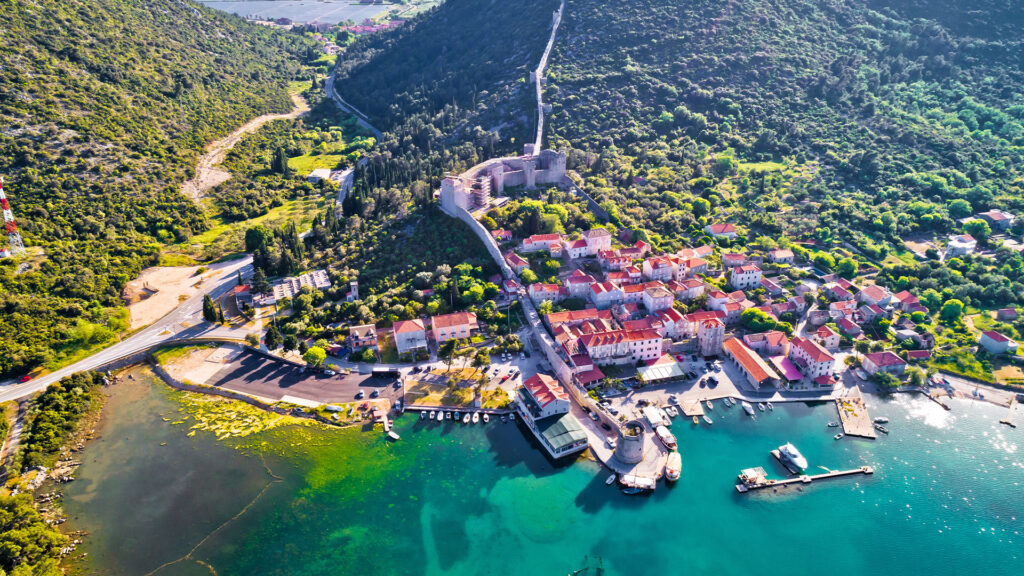
Mali’s waterways are used daily for transport, agriculture, fishing, and flood control. In many locations, the problem is not a lack of water but restricted flow. Sediment continues to settle in river channels, especially after seasonal rains, reducing depth and slowing movement. Over time, this makes navigation difficult and increases the risk of flooding.
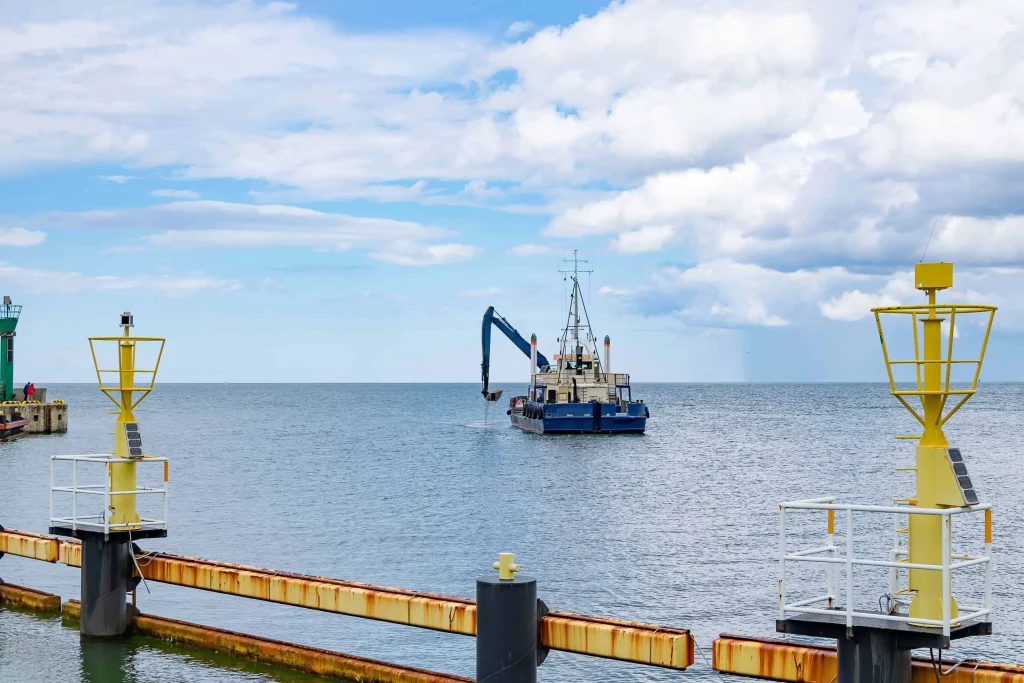
In several regions, dredging is needed just to keep channels open. But the reality is that not all dredging follows a clear plan. Uncontrolled riverbed activity, including informal extraction and poorly managed clearing, has changed channel shapes and weakened banks. In some stretches, water becomes cloudy quickly, and sediment settles again soon after work is completed.
Access is another practical challenge. Many dredging sites are far from permanent roads or facilities. Equipment has to be moved in sections and assembled on-site. When machines are not suited to shallow water or soft riverbeds, operators are forced to overwork the area, which increases disturbance and reduces efficiency.
Environmental sensitivity cannot be ignored. Fishing areas, seasonal wetlands, and community water access points are often close to dredging zones. When sediment spreads beyond the work area or operations continue without clear controls, it affects the daily use of the river. This is often where problems start.
These conditions mean that dredging in Mali cannot rely on standard approaches. Environmental dredging must account for sediment type, water depth, access constraints, and how nearby communities use the water. Without this understanding, dredging becomes repetitive, costly, and difficult to sustain.
Regulatory and Compliance Reality in Mali
Dredging in Mali is no longer something that can be done quietly or informally. Authorities are paying closer attention to how riverbeds are disturbed, where material is moved, and the impact of the work on nearby communities. This shift has come largely because uncontrolled dredging has damaged riverbanks, affected fisheries, and reduced water quality in several regions.
For most organised dredging projects today, some form of environmental approval is expected. This usually involves defining where dredging will occur, how deep it will go, and how the removed material will be handled. Projects that ignore this step often face delays, stoppages, or pressure from local authorities and community groups.
There is also growing sensitivity to riverbed dredging associated with sand removal and mining. As a result, infrastructure and maintenance dredging must clearly demonstrate that operations are controlled and purpose-driven. Using appropriate equipment and documented procedures helps distinguish compliant projects from harmful extraction activities.

Community impact is another practical concern. Many waterways are actively used for fishing, washing, or irrigation. When dredging disrupts access or water clarity without explanation, resistance builds quickly. Simple measures such as controlled sediment movement and visible environmental precautions make a real difference on the ground.
For these reasons, environmental dredging in Mali has become as much about how the work is carried out as about why it is needed. Planning, equipment selection, and operational discipline now play a direct role in whether a project moves forward smoothly or encounters interruptions.
Dredge Works Mali supports this reality by focusing on controlled dredging systems and reliable transfer solutions that help clients operate within regulatory limits while keeping projects practical and efficient.
Environmental Risks When Dredging Is Not Planned Properly
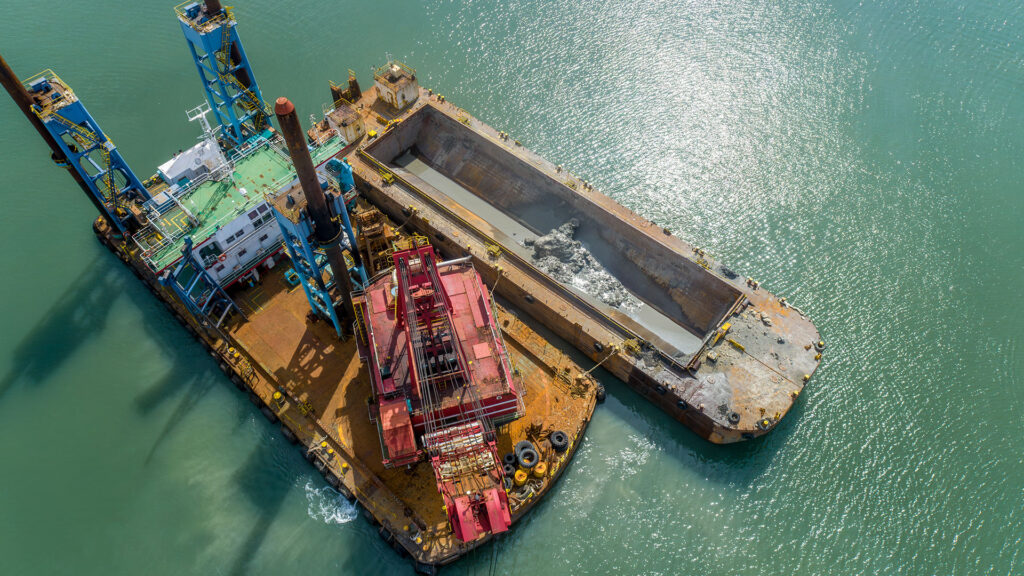
Most dredging problems start small and then spread. Sediment that should stay in one area moves across the channel. Water stays muddy longer than expected. Even after the machines stop, the river does not settle quickly. Fish move away. Local users notice the change almost immediately.
In some locations, dredging disturbs older material buried in the riverbed. This is common in areas with a history of mining or long-term human activity. Once this material is lifted, it does not remain in the work area. It moves downstream and settles in places that were never part of the project.
Riverbanks are another weak point. When dredging cuts too close to the edge or creates uneven depths, the banks lose support. During high flows, sections collapse. Instead of improving the channel, the work causes additional damage that requires repair.
Material placement causes repeat problems. Dredged sediment is sometimes left too close to the water. When water levels rise, it washes straight back into the river. The channel fills again, and the same stretch will need dredging soon.
The impact is not only environmental. Fishing areas are affected. Water access becomes difficult. Communities lose confidence in the project. Once that happens, even necessary dredging becomes harder to carry out.
This is why environmental dredging matters. The issue is not removing sediment. The issue is controlling where it goes and what it affects. Without that control, dredging becomes temporary work with long-term consequences.
What Sustainable Dredging Actually Means in Mali
In Mali waterways, sustainable dredging is not about using new terms or adding paperwork. It is about doing the work in a way that does not create the same problem again in the next season.
The first step is understanding the river section before any machine enters the water. Sediment type, flow direction, and water level changes matter. Dredging without this knowledge usually results in overcutting or uneven channels that fill up quickly.
How the sediment is removed makes a difference. Pulling material too fast or over a wide area spreads it through the water. Controlled dredging, performed in sections, limits disturbance and allows the river to settle naturally as work progresses.
Equipment choice matters more than many people expect. Machines that are too large or not suited to shallow water force operators to work aggressively. This increases turbidity and damages the bed. Using equipment sized for the site allows more control and less rework.
Sediment handling is where many projects fail. The removed material needs to be placed far enough from the river and secured properly. If it can wash back, it will. When this step is ignored, dredging becomes a repeated cost instead of a long-term solution.
Monitoring does not need to be complex, but it needs to be consistent. Visual water checks, depth measurements, and simple records help operators adjust before problems grow. Waiting until damage is visible is already too late.
This is what sustainable dredging looks like in practice. It is controlled work, done with awareness of the river and the people who depend on it. When these basics are followed, dredging supports development instead of creating new risks.
How Dredge Works: Mali Supports Environmental Dredging in Practice
Environmental dredging requires more than just moving sediment. It requires control at every stage of the operation. This is where Dredge Works Mali fits into dredging projects nationwide.
The company supports dredging work by supplying equipment that allows operators to work in a controlled manner. This includes dredging systems suited for varying water depths, soft riverbeds, and remote locations. When equipment is matched to site conditions, operators can maintain planned depths without overcutting or unnecessary disturbance.
Material transfer is another critical point. Poor-quality pipes and hoses often leak or fail under pressure, spreading sediment beyond the work area. Dredge Works Mali supplies durable pipe and hose systems designed for dredging applications, helping keep removed material contained during transfer and placement.
Logistics and setup also affect environmental outcomes. Many dredging sites in Mali are difficult to access and require equipment that can be transported, assembled, and adjusted on-site. Systems supplied by Dredge Works Mali are selected with these constraints in mind, reducing the need for improvised solutions that increase environmental risk.
Operational guidance is part of this support. Proper use of equipment, controlled dredging sequences, and basic monitoring practices help reduce rework and downstream impact. These small decisions often determine whether dredging delivers long-term improvement or short-term relief.
By focusing on controlled operations, reliable transfer systems, and practical field support, Dredge Works Mali helps clients conduct environmental dredging that aligns with project goals, regulatory requirements, and the long-term condition of Mali’s waterways.
Procurement Checklist for Sustainable Dredging Projects
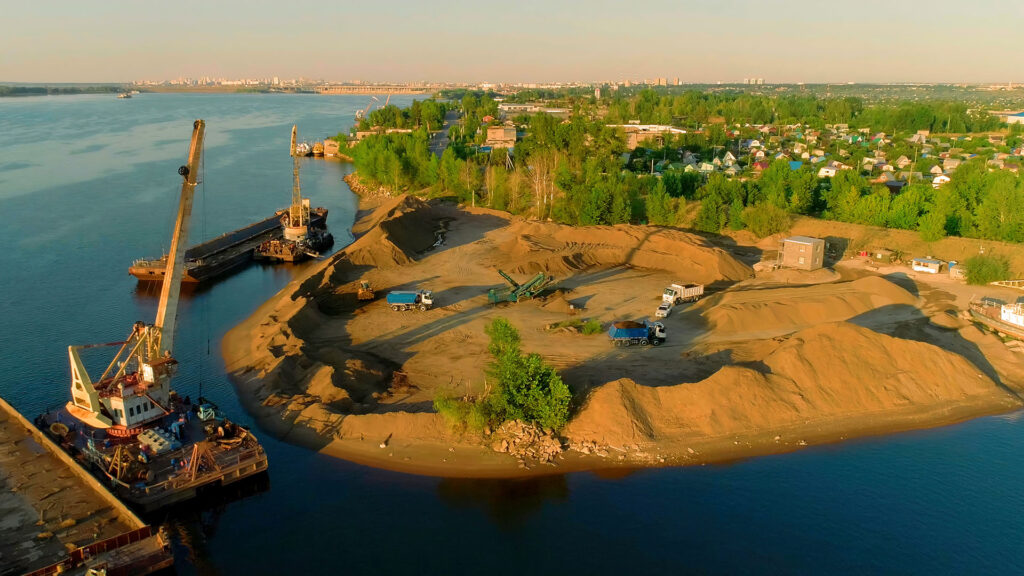
Before issuing a dredging contract, the first requirement should be clarity on why the work is needed. Whether the goal is flood control, navigation, or channel maintenance, the purpose must be clearly defined. When this is vague, contractors tend to focus on volume instead of outcomes.
Next comes site understanding. Procurement teams should insist on basic site information before pricing is finalised. This includes water depth, flow behaviour during different seasons, sediment type, and nearby river use. Without this, bids are often based on assumptions that do not hold once work starts.
Environmental planning should be a visible part of the tender, not an afterthought. Contractors should be asked how sediment disturbance will be limited, how turbidity will be managed, and how dredged material will be handled and placed. Simple answers are acceptable, but the responsibility must be clear.
Equipment suitability is another key checkpoint. Buyers should look beyond horsepower or capacity and ask whether the dredging system is appropriate for shallow water, soft beds, and controlled operation. The same applies to material transfer. Pipes and hoses should be rated for dredging use and able to contain material without leakage or frequent failure.
Logistics and access should also be reviewed early. Many dredging locations in the Mali waterways are remote. Procurement teams should confirm how equipment will be transported, assembled, and supported on-site. Poor planning at this stage often leads to improvised solutions that increase environmental risk.
Monitoring and reporting requirements should be simple but mandatory. Depth checks, visual water observations, and basic records help prevent over-dredging and unnecessary disturbance. Contractors should know in advance that this information will be reviewed.
Finally, local impact matters. Procurement documents should ask how contractors will manage work near fishing areas, water access points, or seasonal wetlands. Projects that ignore these factors often face delays, even when the technical work is sound.
When these points are addressed upfront, environmental dredging becomes easier to manage, easier to monitor, and more likely to deliver lasting results.
Where Planning Changed the Outcome on Mali Waterways
In one river maintenance project near a flood-prone settlement, dredging was carried out to restore channel capacity before the rainy season. The work was done in short sections rather than across the full width of the river. Sediment was transferred through sealed hoses and placed at a designated location away from the water. As a result, water clarity recovered quickly, and the channel remained stable through the following season.
In another case linked to navigation improvement, earlier dredging attempts had failed because material washed back into the channel within months. The revised approach focused on controlled removal and improved sediment placement. Equipment was selected to match shallow water conditions, allowing operators to maintain consistent depth without damaging the riverbed. Follow-up inspections showed reduced re-siltation and less need for repeat dredging.
These examples reflect what sustainable dredging in the Mali waterways looks like in practice. The difference was not the scale of work, but the planning, equipment selection, and control during operations.
KPIs and Reporting Metrics for Dredging Projects
Once dredging starts, the question quickly becomes whether the work is actually improving the waterway. This is where simple, consistent metrics matter more than detailed reports that no one uses.
Depth and profile accuracy should be tracked throughout the project. Regular depth checks confirm whether dredging is meeting the planned channel level without overcutting. When depths vary too much, it usually points to poor control or unsuitable equipment.
Water clarity is another practical indicator. Turbidity does not need complex measurement on every project, but visual checks and basic sampling help identify when sediment is spreading beyond the work area. If water remains cloudy long after operations pause, the dredging method needs adjustment.
Sediment handling performance should also be monitored. This includes verifying that dredged material reaches the intended placement area and remains stable after placement. Frequent wash-back is a sign that the placement location or transfer systems are inadequate.
Equipment reliability affects both cost and environmental impact. Tracking hose failures, leaks, and unplanned shutdowns helps identify risks early. Reliable transfer systems reduce sediment loss and limit disturbance outside the dredging zone.
Operational efficiency should be measured against environmental control. Higher output does not always mean better performance. KPIs should consider whether dredging progress aligns with environmental limits and site conditions.
Community impact is often overlooked in reporting. Complaints related to water access, fishing disruption, or increased turbidity should be logged and reviewed. These indicators provide early warnings of issues that can delay or stop work.
Reporting does not need to be complex. Weekly summaries covering depth checks, water conditions, material placement, and equipment performance are usually sufficient. When these metrics are tracked consistently, environmental dredging becomes easier to manage and easier to justify to regulators and stakeholders.
Dredging in Mali is no longer just about clearing sediment. It is about doing the work in a way that lasts. Poor planning and uncontrolled operations lead to recurring problems, higher costs, and environmental damage that affect both projects and communities.
Final Thoughts
Environmental dredging offers a more reliable approach. When sediment removal, equipment selection, material transfer, and monitoring are handled properly, dredging supports navigation, flood management, and long-term waterway performance. The difference is not in scale but in control.
Dredge Works Mali supports this approach by providing dredging equipment, pipe and hose systems, and practical field support suited to Mali waterways and operating conditions. This helps project owners and contractors deliver work that meets technical needs while reducing environmental and compliance risks.If your project requires controlled dredging or rehabilitation of Mali’s waterways, contact Dredge Works Mali to review site conditions, equipment requirements, and practical dredging solutions to support sustainable outcomes.