Slurry Pump

Reducing Emissions and Maintenance Costs with Electric Dredge Pump Systems

 Reducing Emissions and Maintenance Costs with Electric Dredge Pump Systems

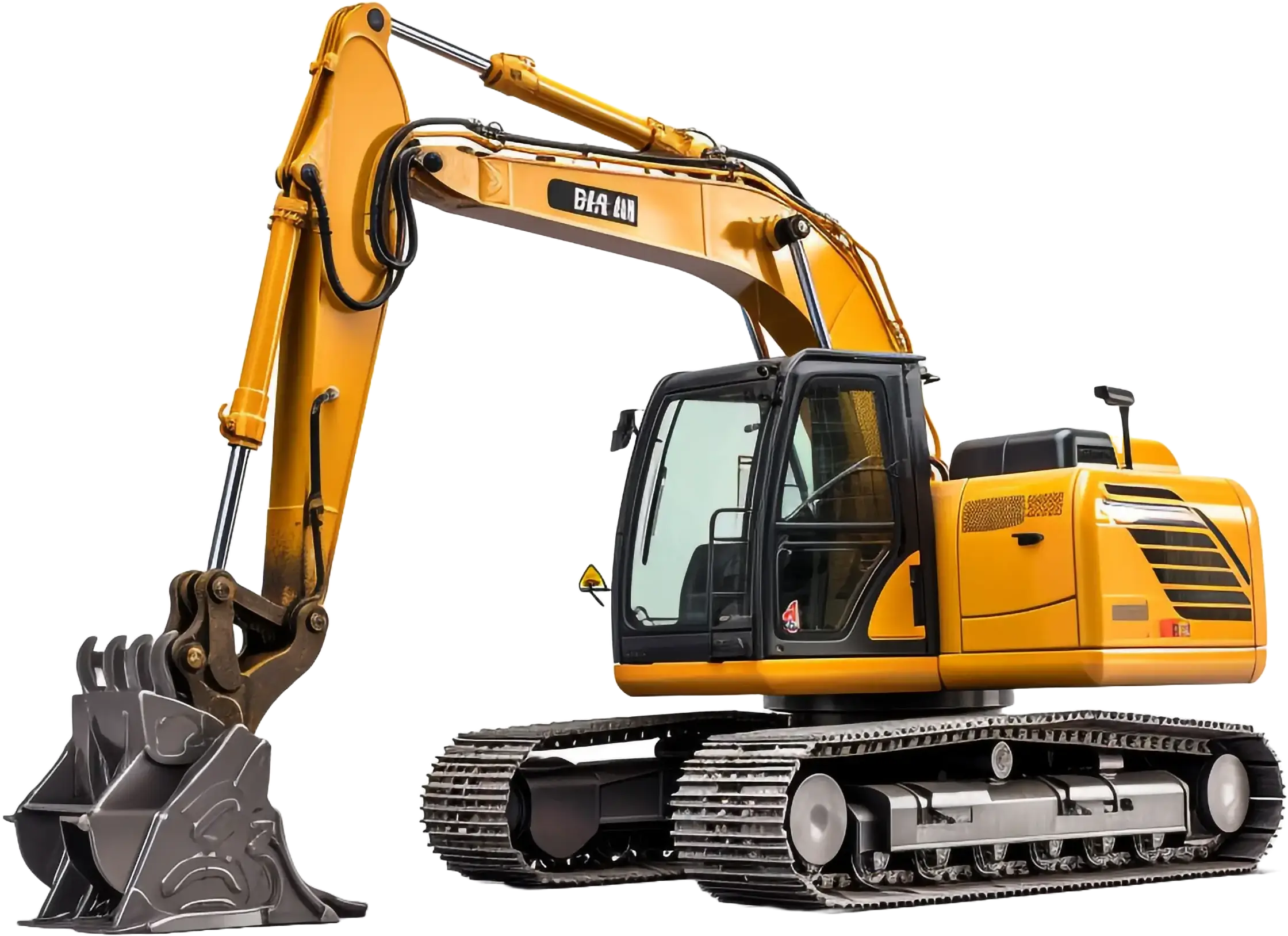
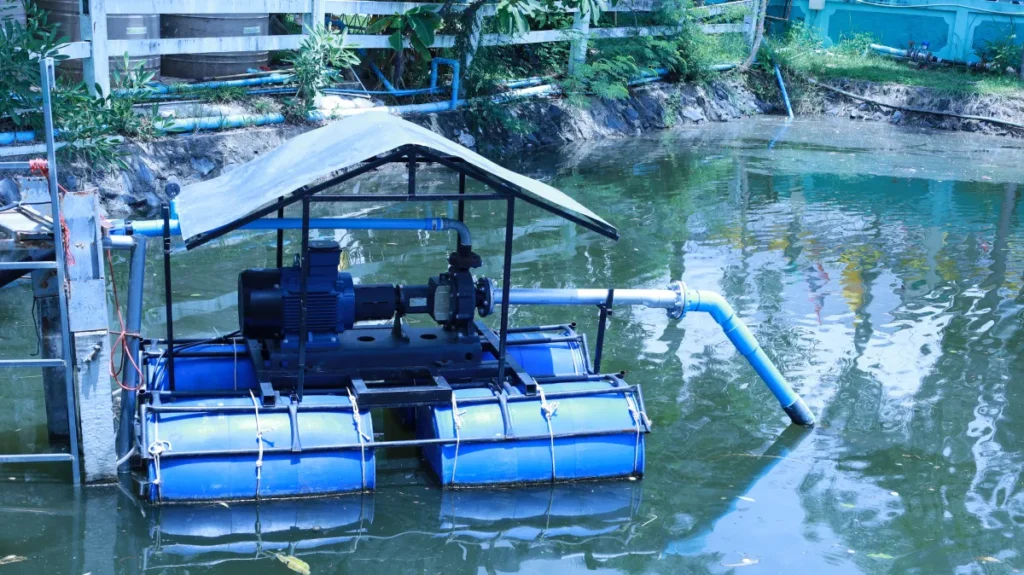
Electric dredge pump technology isn’t just a cleaner alternative; it’s becoming the defining shift in how modern dredging is powered. As industries around the world face mounting pressure to cut carbon emissions, the traditional diesel-fueled dredging systems are beginning to look outdated, noisy, and unsustainable. Ports, mining sites, and energy corridors can no longer rely on machines that leave behind a trail of CO₂, fuel leaks, and regulatory roadblocks. This is where electric dredge pumps change the story. They offer silent, emission-free power without sacrificing performance, a combination that now determines whether a project gets approved, funded, or even allowed to operate. What began as a sustainability preference is now a practical necessity, pushing operators to rethink how dredging should sound, operate, and impact the environment. In this context, the electric dredge pump has emerged as a breakthrough innovation, offering a clean, energy-efficient alternative to conventional hydraulic or diesel-driven systems. By eliminating exhaust emissions and reducing fuel dependency, electric systems enable dredging projects to meet strict environmental compliance requirements while lowering operational risks. The transition also represents a strategic response to rising fuel costs and emission-related penalties, making it not just an environmental upgrade but a sound business decision. Although the electric dredge pump price may initially appear higher than that of traditional units, the long-term financial advantages are substantial. Lower maintenance requirements, fewer mechanical components, and extended equipment lifespan contribute to reduced lifecycle costs and improved return on investment. Moreover, as electric dredge pump adoption grows across mining, oil and gas, and infrastructure projects, the dredge pump electric configuration is redefining how operators measure performance, shifting focus from short-term capital expense to sustainable lifecycle economics and environmental responsibility. Understanding Electric Dredge Pumps An electric motor, as opposed to a diesel engine or hydraulic drive, powers an electric dredge pump. Sand, silt, slurry, and other materials can be moved from undersea or tight spaces by using electrical energy to provide high-efficiency suction and discharge forces. Electric-driven pumps offer direct torque transfer with little mechanical losses, in contrast to diesel or hydraulic arrangements that depend on combustion and intricate fluid systems. This leads to a cleaner, emission-free operation, smoother performance, and less noise, perfect for urban or environmentally restricted dredging jobs. At the core of its design is a streamlined powertrain that integrates an electric motor, variable frequency drive (VFD), and an advanced control system. This setup enables precise speed control and optimized energy use, ensuring consistent flow rates across varying loads. The dredge pump electric configuration is also known for its higher energy conversion efficiency, translating into lower operational costs and predictable performance across long working cycles. With submersible, cutter suction, and booster pump configurations individually suited to specific site conditions and dredging depths, electric dredge pumps are highly adaptable. While cutter suction and booster systems are utilized in large-scale mining, port, and reclamation operations needing long discharge lengths, submersible variants are preferred for small, shallow-water applications. The electric dredge pump price depends on several factors, including motor power rating, discharge capacity, and construction materials suitable for abrasive environments. Mobility features, such as skid-mounted or floating platforms, and automation options like remote monitoring and pressure control also influence total cost. While the initial electric dredge pump price may vary based on configuration and performance requirements, the long-term savings from reduced fuel use and maintenance make the dredge pump electric solution a cost-efficient investment for high-demand dredging operations. How Electric Dredge Pumps Reduce Emissions The dredge pump electric configuration’s ability to run with zero direct emissions is one of its biggest benefits. Electric-powered dredging systems operate only on clean electrical energy, in contrast to diesel-driven systems that emit carbon dioxide (CO₂), nitrogen oxides (NOₓ), and fine particulate matter. They are perfect for projects situated in emission-sensitive regions like marinas, inland waterways, and close to residential or protected coastal areas since they reduce hazardous exhaust emissions at the point of usage. Through practical implementations, industry leaders like Damen, Royal IHC, and DAE Pumps have shown the operational and environmental advantages of electrification. For instance, Damen’s E-DOP150 electric submersible pump has been effectively employed in marina maintenance projects where the protection of aquatic ecosystems and water quality required silent, emission-free dredging. Similar to this, DAE’s environmentally friendly pump systems and IHC’s all-electric dredgers demonstrate how electrification satisfies contemporary sustainability and compliance requirements while preserving great dredging efficiency. The exceptionally low noise output of electric-powered equipment is another distinguishing characteristic. Because there is no internal combustion, operational noise is greatly reduced, which minimizes disruption to surrounding populations and animals. Because of this, they are especially useful for projects such as urban dredging, port maintenance, and ecological restoration that must comply with environmental protection regulations and noise pollution limits. By integrating clean electric drives and precision control technologies, modern dredge systems support compliance with ESG (Environmental, Social, and Governance) objectives, ISO 14001 environmental management standards, and national regulatory frameworks aimed at reducing industrial emissions. While the electric dredge pump price may vary depending on motor capacity and setup, these systems provide long-term environmental and compliance value that extends well beyond initial capital investment. Maintenance Efficiency and Cost Reduction The shift from diesel and hydraulic dredging systems to electric dredge pump configurations brings a measurable reduction in maintenance complexity and cost. Traditional setups rely on combustion engines, multiple moving components, and intricate hydraulic circuits, all of which demand regular servicing, fluid changes, and part replacements. In contrast, electric systems feature a simplified drivetrain with fewer mechanical parts, no hydraulic fluids, and no combustion chamber, leading to substantially lower wear and more consistent performance over time. Without the need for hydraulic oil or fuel-based systems, operators eliminate one of the most common environmental hazards in dredging, hydraulic oil leaks. This not only improves on-site safety but also reduces cleanup liabilities and compliance costs related to spill prevention and reporting. Industry data from leading manufacturers such as Damen and IHC indicate that switching to a dredge pump electric system can reduce maintenance costs by up to 30–40%

 Reducing Emissions and Maintenance Costs with Electric Dredge Pump Systems Read More »
Common Problems in Sludge Pumps and How to Troubleshoot Them

Common Problems in Sludge Pumps and How to Troubleshoot Them

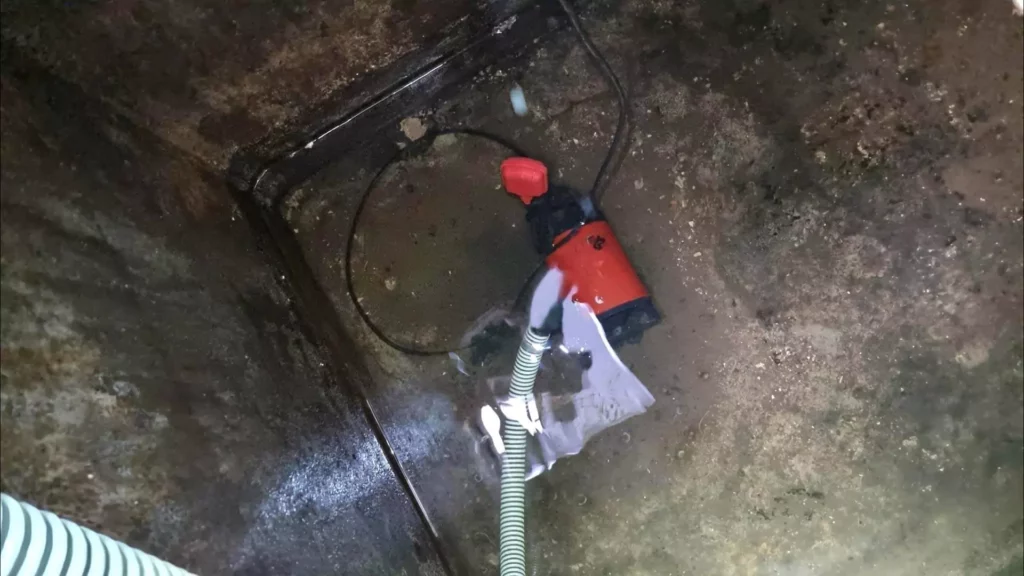
In industries such as mining, oil and gas, municipal wastewater management, and large-scale construction, sludge pumps are critical to maintaining smooth operations. These pumps handle some of the harshest materials, abrasive slurries, dense sludge, and high-solid fluids that conventional pumping equipment cannot manage effectively. Without reliable performance, entire projects can suffer costly delays. Downtime and inefficiencies in sludge pumps have direct consequences for both productivity and financial performance. A blocked impeller or electrical fault may lead to unplanned shutdowns, increasing operational expenses and lowering return on investment (ROI). For government buyers, project contractors, and engineering managers, ensuring consistent pump operation is essential to meeting timelines, avoiding penalties, and protecting infrastructure. The purpose of this article is to examine the most common problems associated with sludge pumps and provide practical troubleshooting strategies. By addressing issues early, decision-makers can extend equipment life, minimize repair costs, and maximize project efficiency. Understanding Sludge Pumps in Industrial Applications Sludge pumps are designed specifically to move viscous, abrasive, and high-solid content fluids. Unlike standard centrifugal pumps that struggle with clogging and wear, these heavy-duty units are engineered with hardened materials and wider passages to handle demanding conditions. Their importance spans multiple sectors, from dewatering mining pits and dredging waterways to managing wastewater treatment facilities. A submersible sludge pump is often the preferred choice for underwater or confined-space operations. Being fully submerged, it offers efficient suction, reduced priming requirements, and compact installation. By comparison, self-priming and centrifugal pumps are positioned outside the fluid body, making them better suited for easily accessible sites but more vulnerable to priming and suction-related challenges. For deep excavation or remote industrial projects, a submersible sludge pump often delivers the most reliable performance. For organizations managing short-term projects or facing fluctuating demands, sludge pump rental provides a cost-effective solution. Renting allows procurement managers and contractors to access high-performance equipment without committing to the capital expense of ownership. This flexibility is particularly valuable for government projects, seasonal dredging operations, and emergency bypass pumping. A well-structured sludge pump rental agreement also ensures access to expert maintenance support, minimizing the risk of breakdowns during critical operations. By understanding the unique advantages of sludge pumps, decision-makers can select the right configuration, whether through direct purchase or sludge pump rental, to match the technical and financial requirements of each project. For submerged operations or areas with high debris content, a submersible sludge pump often proves indispensable, offering durability and reliability under extreme conditions. Common Problems in Sludge Pumps Clogging and Blockages One of the most frequent challenges in sludge pumps is clogging caused by fibrous materials, oversized solids, or heavy debris. When the impeller or suction line becomes obstructed, the pump’s flow rate drops significantly, often leading to overheating and system shutdowns. For operations depending on consistent performance, such as dredging or wastewater treatment, even short periods of downtime can translate into high costs. Choosing the right configuration or considering a sludge pump rental with anti-clogging features can help reduce risks. Loss of Prime / Suction Issues Loss of prime is especially common in centrifugal and self-priming sludge pumps. Air leaks, improper installation, or insufficient suction pressure can prevent the pump from drawing fluid. This problem not only delays operations but also places strain on the motor. In projects where downtime is not acceptable, a properly installed submersible sludge pump eliminates many priming concerns since it operates directly in the fluid. Organizations working on temporary or seasonal jobs can also mitigate risks by opting for a sludge pump rental that includes professional setup and support. Leaks at Seals and Joints Seal and gasket wear, corrosion, or improper tightening can cause leaks in sludge pumps. Even minor leaks reduce pumping efficiency, create contamination risks, and increase maintenance demands. In high-pressure or abrasive environments, leaks can escalate into safety hazards. When evaluating equipment for demanding applications, buyers often compare the durability of permanent assets against the convenience of a sludge pump rental program that includes timely replacement of seals and components. Vibration and Abnormal Noise Excessive vibration or unusual noise in sludge pumps usually indicates problems such as impeller imbalance, misalignment, cavitation, or worn bearings. If left unresolved, these issues accelerate component failure and can compromise system integrity. A submersible sludge pump in particular requires close monitoring, as vibration underwater is harder to detect visually. Regular inspections, balancing, and proper installation help extend pump life, while rental solutions ensure access to replacement units if failures occur. Motor and Electrical Problems Motor failures are another significant concern for sludge pumps, with causes ranging from overheating and faulty wiring to low voltage or overloads. A malfunctioning motor directly impacts the efficiency of a submersible sludge pump, often requiring immediate shutdown to prevent further damage. For critical infrastructure projects, sludge pump rental agreements frequently include backup units, allowing operations to continue while electrical issues are addressed. Reduced Flow Rate A gradual reduction in flow rate is often a sign of worn impellers, partial blockages, or improper operation of sludge pumps. While the issue may appear minor at first, inefficient pumping increases energy consumption and reduces overall system output. In continuous-duty operations, this inefficiency translates into higher costs and missed deadlines. A submersible sludge pump can sometimes maintain higher flow consistency in challenging conditions, while a short-term sludge pump rental provides an economical way to test or replace underperforming units without long-term investment. Troubleshooting Methods for Sludge Pump Failures Power Supply and Electrical Checks A significant portion of pump failures can be traced back to electrical issues. For sludge pumps, verifying the integrity of the power supply is a critical first step. Inspecting fuses, circuit breakers, and wiring ensures that the motor receives stable voltage and current. In high-demand applications, poor electrical connections may cause overheating or repeated shutdowns, directly impacting productivity. Proper Priming and Air Leak Prevention Many performance problems in sludge pumps originate from improper priming or trapped air within the suction line. Operators should confirm that the casing and suction piping are fully primed, while also checking for leaks at

Common Problems in Sludge Pumps and How to Troubleshoot Them Read More »

advancements-in-submersible-slurry-pump-technology-for-the-modern-industry

Advancements in Submersible Slurry Pump Technology for the Modern Industry

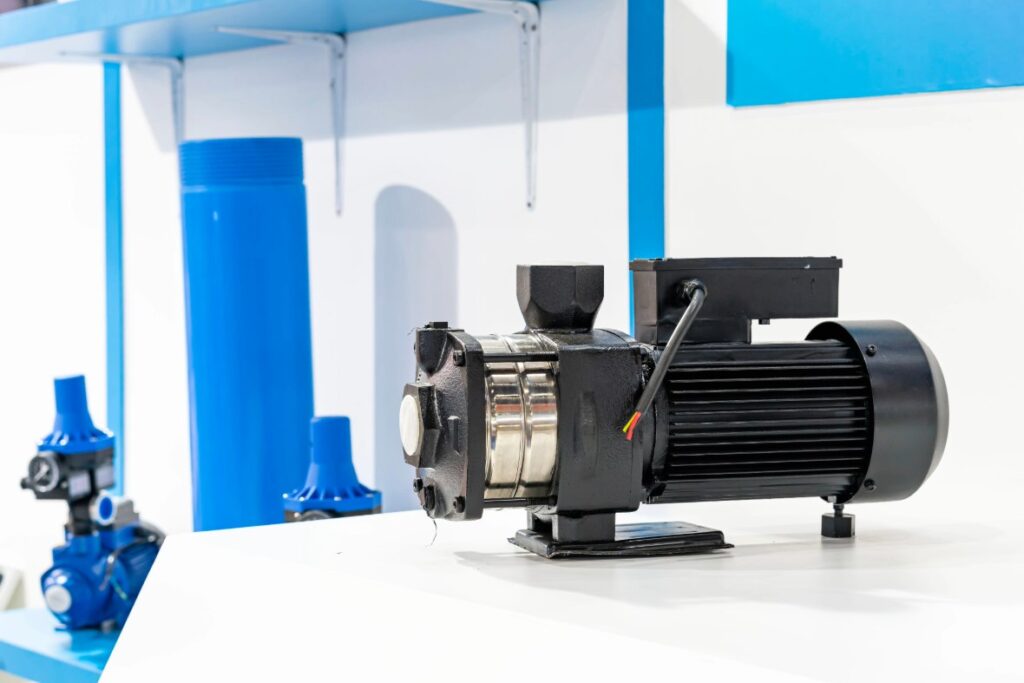
Submersible slurry pump technology has undergone significant evolution, transforming how industries manage demanding operations. These pumps are designed to handle abrasive, high-solid-content materials while operating underwater, making them invaluable across a wide range of industrial applications. In today’s rapidly advancing industrial landscape, the need for efficient, reliable, and durable solutions has never been greater. Modern slurry pumps address these challenges by integrating cutting-edge features that enhance performance and adaptability. This article explores key areas such as industrial pump advancements, slurry pump innovations, and their profound impact on various industries. The Role of Submersible Slurry Pumps in Modern Industry Submersible slurry pump technology is a critical component in industries such as mining, wastewater treatment, dredging, and construction. These pumps excel in handling mixtures of solids and liquids, ensuring efficient operations even under extreme conditions. Before the advent of modern slurry pumps, industries faced challenges like frequent equipment breakdowns, high maintenance costs, and inefficiencies in managing abrasive materials. Traditional pumps often need to meet the rigorous demands of these applications, leading to costly downtime. Innovation in submersible slurry pump technology has addressed these issues, offering robust solutions that enhance performance, efficiency, and reliability. These pumps are now indispensable, ensuring seamless operations in environments where durability and adaptability are paramount. Key Advancements in Submersible Slurry Pump Technology The need for improved performance, reduced costs, and enhanced reliability has driven the rapid advancement of submersible slurry pump technology. Key developments include: Material Enhancements Efficiency Improvements Sealing and Maintenance Innovations Smart Pumping Systems These advancements showcase how industrial pump advancements continue to drive the evolution of submersible slurry pump technology. Benefits of Modern Slurry Pumps for Industries The advancements in submersible slurry pump technology offer numerous benefits that address the pressing needs of modern industries: These benefits underscore the value of adopting modern slurry pumps equipped with the latest slurry pump innovations. The Future of Submersible Slurry Pump Technology The future of submersible slurry pump technology is bright, with several emerging trends poised to redefine the industry: These trends indicate that the evolution of submersible slurry pump technology will continue to shape industrial operations, ensuring pumps remain at the forefront of efficiency and innovation. Conclusion Advancements in submersible slurry pump technology are transforming the way industries operate, providing solutions that are more efficient, durable, and adaptable than ever before. From material enhancements to smart pumping systems, the latest slurry pump innovations are designed to meet the demands of the modern industrial landscape. As industries continue to evolve, adopting modern slurry pumps will be critical for staying competitive. The integration of advanced features not only improves performance but also reduces costs and enhances reliability. By embracing these industrial pump advancements, businesses can position themselves for long-term success. Explore our range of cutting-edge slurry pump solutions and see how they can revolutionize your operations.

Advancements in Submersible Slurry Pump Technology for the Modern Industry Read More »