Electric dredge pump technology isn’t just a cleaner alternative; it’s becoming the defining shift in how modern dredging is powered. As industries around the world face mounting pressure to cut carbon emissions, the traditional diesel-fueled dredging systems are beginning to look outdated, noisy, and unsustainable. Ports, mining sites, and energy corridors can no longer rely on machines that leave behind a trail of CO₂, fuel leaks, and regulatory roadblocks. This is where electric dredge pumps change the story. They offer silent, emission-free power without sacrificing performance, a combination that now determines whether a project gets approved, funded, or even allowed to operate. What began as a sustainability preference is now a practical necessity, pushing operators to rethink how dredging should sound, operate, and impact the environment.
In this context, the electric dredge pump has emerged as a breakthrough innovation, offering a clean, energy-efficient alternative to conventional hydraulic or diesel-driven systems. By eliminating exhaust emissions and reducing fuel dependency, electric systems enable dredging projects to meet strict environmental compliance requirements while lowering operational risks. The transition also represents a strategic response to rising fuel costs and emission-related penalties, making it not just an environmental upgrade but a sound business decision.
Although the electric dredge pump price may initially appear higher than that of traditional units, the long-term financial advantages are substantial. Lower maintenance requirements, fewer mechanical components, and extended equipment lifespan contribute to reduced lifecycle costs and improved return on investment. Moreover, as electric dredge pump adoption grows across mining, oil and gas, and infrastructure projects, the dredge pump electric configuration is redefining how operators measure performance, shifting focus from short-term capital expense to sustainable lifecycle economics and environmental responsibility.
Understanding Electric Dredge Pumps
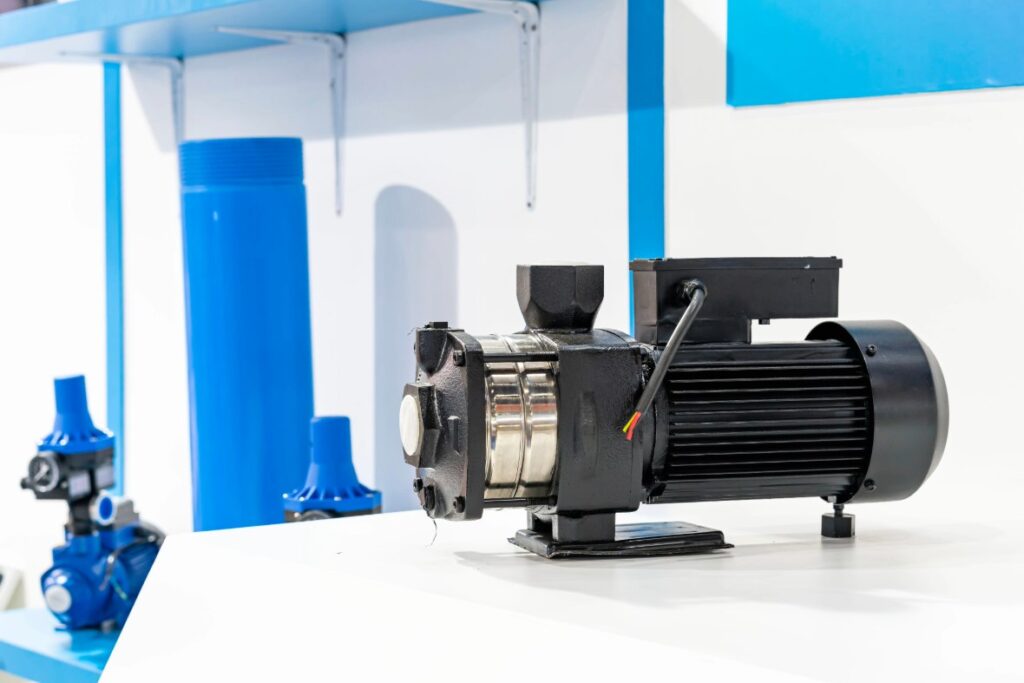
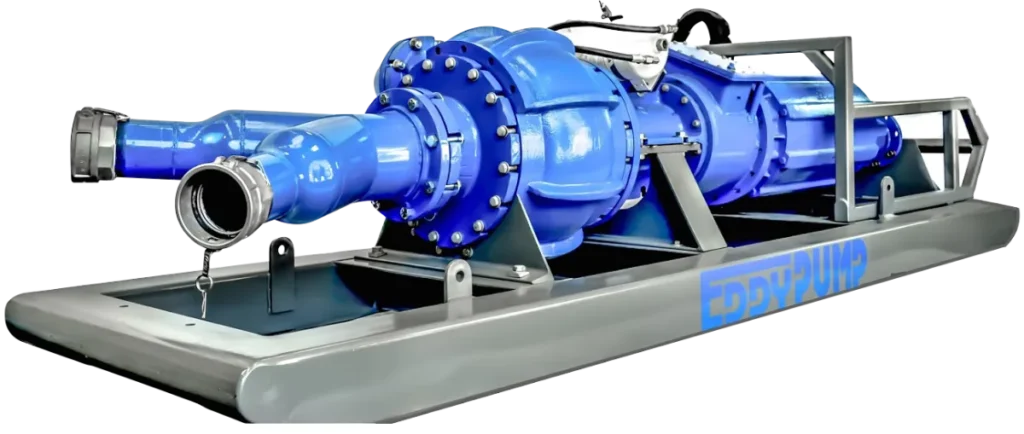
An electric motor, as opposed to a diesel engine or hydraulic drive, powers an electric dredge pump. Sand, silt, slurry, and other materials can be moved from undersea or tight spaces by using electrical energy to provide high-efficiency suction and discharge forces. Electric-driven pumps offer direct torque transfer with little mechanical losses, in contrast to diesel or hydraulic arrangements that depend on combustion and intricate fluid systems. This leads to a cleaner, emission-free operation, smoother performance, and less noise, perfect for urban or environmentally restricted dredging jobs.
At the core of its design is a streamlined powertrain that integrates an electric motor, variable frequency drive (VFD), and an advanced control system. This setup enables precise speed control and optimized energy use, ensuring consistent flow rates across varying loads. The dredge pump electric configuration is also known for its higher energy conversion efficiency, translating into lower operational costs and predictable performance across long working cycles.
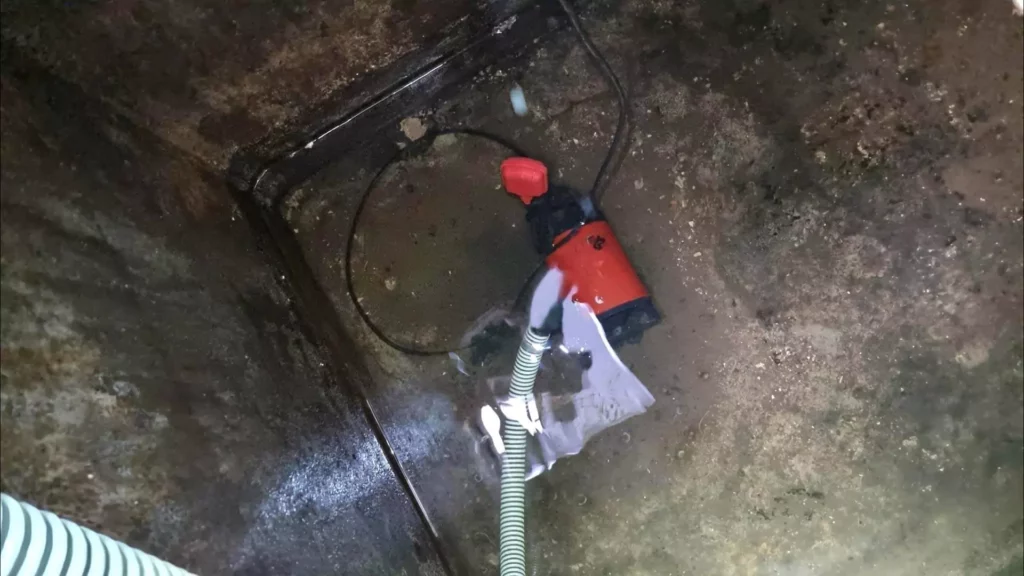
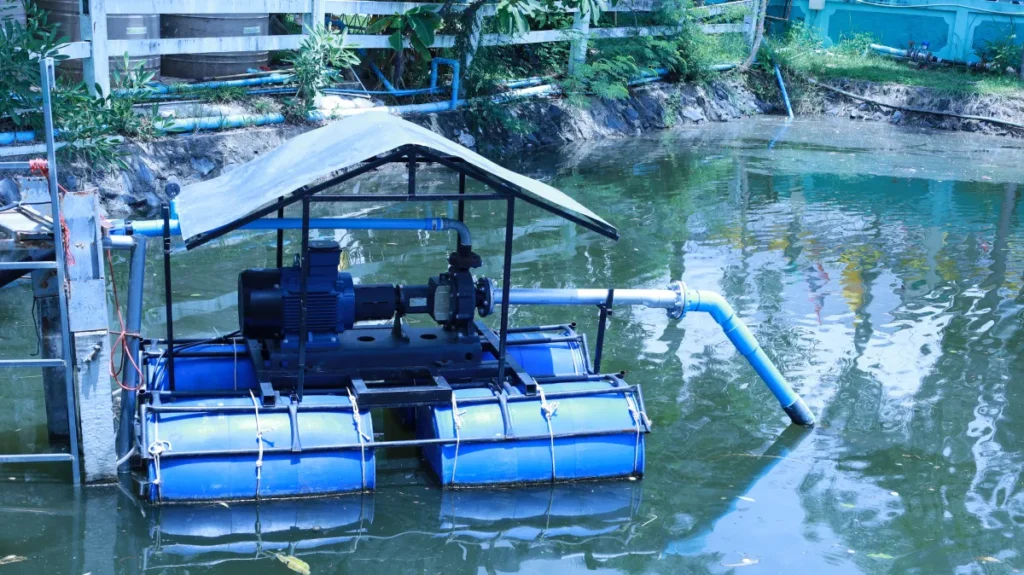
With submersible, cutter suction, and booster pump configurations individually suited to specific site conditions and dredging depths, electric dredge pumps are highly adaptable. While cutter suction and booster systems are utilized in large-scale mining, port, and reclamation operations needing long discharge lengths, submersible variants are preferred for small, shallow-water applications.
The electric dredge pump price depends on several factors, including motor power rating, discharge capacity, and construction materials suitable for abrasive environments. Mobility features, such as skid-mounted or floating platforms, and automation options like remote monitoring and pressure control also influence total cost. While the initial electric dredge pump price may vary based on configuration and performance requirements, the long-term savings from reduced fuel use and maintenance make the dredge pump electric solution a cost-efficient investment for high-demand dredging operations.
How Electric Dredge Pumps Reduce Emissions
The dredge pump electric configuration’s ability to run with zero direct emissions is one of its biggest benefits. Electric-powered dredging systems operate only on clean electrical energy, in contrast to diesel-driven systems that emit carbon dioxide (CO₂), nitrogen oxides (NOₓ), and fine particulate matter. They are perfect for projects situated in emission-sensitive regions like marinas, inland waterways, and close to residential or protected coastal areas since they reduce hazardous exhaust emissions at the point of usage.
Through practical implementations, industry leaders like Damen, Royal IHC, and DAE Pumps have shown the operational and environmental advantages of electrification. For instance, Damen’s E-DOP150 electric submersible pump has been effectively employed in marina maintenance projects where the protection of aquatic ecosystems and water quality required silent, emission-free dredging. Similar to this, DAE’s environmentally friendly pump systems and IHC’s all-electric dredgers demonstrate how electrification satisfies contemporary sustainability and compliance requirements while preserving great dredging efficiency.
The exceptionally low noise output of electric-powered equipment is another distinguishing characteristic. Because there is no internal combustion, operational noise is greatly reduced, which minimizes disruption to surrounding populations and animals. Because of this, they are especially useful for projects such as urban dredging, port maintenance, and ecological restoration that must comply with environmental protection regulations and noise pollution limits.
By integrating clean electric drives and precision control technologies, modern dredge systems support compliance with ESG (Environmental, Social, and Governance) objectives, ISO 14001 environmental management standards, and national regulatory frameworks aimed at reducing industrial emissions. While the electric dredge pump price may vary depending on motor capacity and setup, these systems provide long-term environmental and compliance value that extends well beyond initial capital investment.
Maintenance Efficiency and Cost Reduction
The shift from diesel and hydraulic dredging systems to electric dredge pump configurations brings a measurable reduction in maintenance complexity and cost. Traditional setups rely on combustion engines, multiple moving components, and intricate hydraulic circuits, all of which demand regular servicing, fluid changes, and part replacements. In contrast, electric systems feature a simplified drivetrain with fewer mechanical parts, no hydraulic fluids, and no combustion chamber, leading to substantially lower wear and more consistent performance over time.
Without the need for hydraulic oil or fuel-based systems, operators eliminate one of the most common environmental hazards in dredging, hydraulic oil leaks. This not only improves on-site safety but also reduces cleanup liabilities and compliance costs related to spill prevention and reporting. Industry data from leading manufacturers such as Damen and IHC indicate that switching to a dredge pump electric system can reduce maintenance costs by up to 30–40% over a typical service cycle, while also extending equipment lifespan due to minimal internal friction and component stress.

The predictable servicing requirements of electric units enable operators to plan maintenance budgets with greater accuracy, avoiding the unplanned downtime often associated with diesel engines. Moreover, the total cost of ownership (TCO) is significantly lower, as electric drives experience fewer mechanical failures and require less frequent overhauls. While the electric dredge pump price may be higher upfront, the lifecycle savings in maintenance and energy far outweigh the initial investment. Over time, these operational efficiencies position electric systems as a more cost-effective and environmentally responsible choice for long-term dredging operations.
In large-scale applications, where continuous uptime and consistent throughput are critical, the ability to operate longer between service intervals directly translates into higher productivity and reduced total project costs, further reinforcing the financial and environmental value of adopting the dredge pump electric model.
Operational and Environmental Performance Advantages
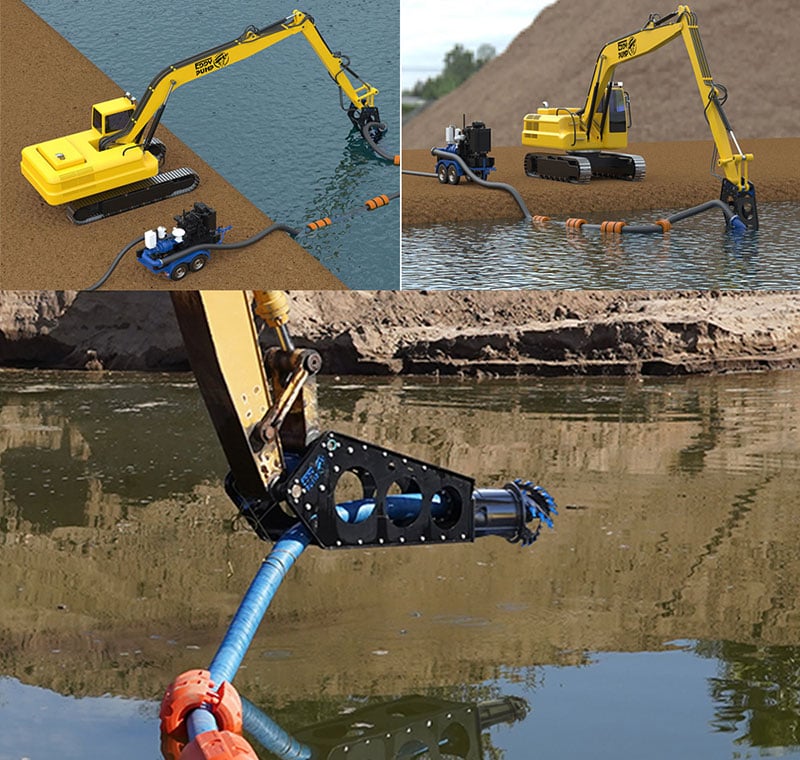
Modern dredging operations demand a balance between efficiency and environmental responsibility, a standard that the electric dredge pump meets through precision control and intelligent power management. Unlike conventional diesel or hydraulic systems that operate with variable torque and limited responsiveness, electric drives enable precise regulation of speed and pressure. This allows operators to maintain optimal flow conditions, reducing turbidity and minimizing sediment resuspension during dredging activities. Such control is especially critical in environmentally sensitive zones, where even minor disturbances can affect aquatic habitats and water clarity.
The precision of the dredge pump electric system is achieved through advanced electronic controls and variable-frequency drives (VFDs) that adjust motor output in real time based on load and flow requirements. By fine-tuning performance, VFDs not only preserve water quality but also optimize energy consumption, ensuring that the pump operates at peak efficiency without unnecessary power draw. This combination of intelligent control and energy optimization makes the electric dredge pump an ideal solution for projects focused on sustainability and operational accuracy.
Beyond performance control, electric dredging systems offer flexible integration with renewable and hybrid energy infrastructures. Whether connected to grid-tied systems, solar arrays, or hybrid setups combining battery and generator backup, the dredge pump electric configuration supports continuous, low-emission operation under various field conditions. This adaptability enhances both environmental compliance and long-term cost efficiency, allowing operators to leverage clean power sources without compromising productivity.
While the electric dredge pump price can vary depending on power capacity and automation features, the advanced control systems and renewable energy compatibility deliver significant long-term savings and environmental benefits. In modern dredging, where precision, sustainability, and efficiency define project success, the dredge pump electric technology stands out as a smart and forward-looking investment.
ROI and Real-World Project Applications
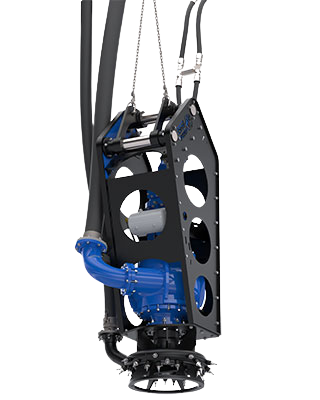
Real-world deployments continue to demonstrate that transitioning to dredge pump electric systems delivers tangible economic and operational advantages. A notable example is Damen’s E-DOP150 project at Tidemill Yacht Harbour in the UK, where a fully electric submersible dredging system was deployed for marina sediment removal. The system achieved a 100% reduction in on-site emissions and a nearly 60% decrease in noise output, allowing operations to proceed without environmental disruption or community disturbance. According to Damen’s case analysis, the project achieved energy savings of up to 25% compared to a diesel-driven equivalent, along with reduced maintenance interventions by more than 35%.
Similarly, Royal IHC’s all-electric dredgers and DAE Pumps’ low-emission models have reported measurable returns through reduced downtime and longer operational lifespans. By eliminating hydraulic fluids, exhaust systems, and complex fuel management, these solutions have lowered routine service requirements and extended equipment reliability across continuous-use projects. For procurement managers and project decision-makers, these outcomes translate directly into improved asset utilization and cost predictability.
From a financial standpoint, while the electric dredge pump price can initially exceed that of a conventional diesel or hydraulic unit, total ownership costs decline significantly over time. Reduced maintenance, lower energy consumption, and the avoidance of emission-related penalties or compliance fees improve the long-term return on investment. In many documented cases, payback periods for electric dredging systems range from 2 to 4 years, depending on operational intensity and the availability of energy sources.
Furthermore, the predictable maintenance cycles and consistent energy efficiency of electric systems help organizations stabilize operational budgets. For government and industrial procurement teams, this financial clarity is as valuable as the sustainability benefits. The electric dredge pump price, when assessed from a lifecycle perspective, becomes an investment in lower risk, greater uptime, and stronger compliance alignment, all critical metrics for capital-intensive dredging and infrastructure projects.
As electric technology continues to mature and scale, the upfront electric dredge pump price is increasingly offset by both immediate operational savings and long-term financial resilience, reinforcing the economic case for electrification in modern dredging operations
Building a Smarter, Sustainable Dredging Future
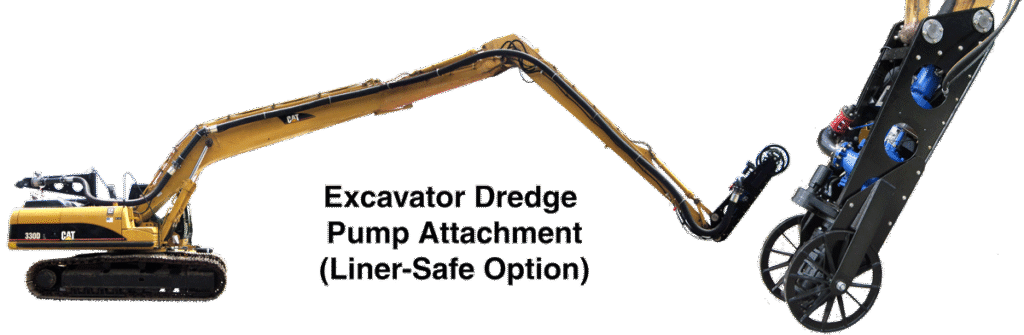
The electric dredge pump represents more than a technological upgrade, it delivers a strategic advantage that merges emission reduction with long-term maintenance efficiency. By eliminating combustion engines and hydraulic systems, operators achieve cleaner, quieter performance while significantly reducing wear and service frequency. This not only supports environmental compliance but also strengthens overall operational reliability, ensuring consistent output with minimal downtime.
For decision-makers, evaluating the electric dredge pump should extend beyond initial cost considerations. While the electric dredge pump price may be higher upfront, the total lifecycle performance, marked by lower maintenance costs, improved energy efficiency, and zero-emission operation, offers a stronger return on investment over time. The dredge pump electric configuration enables measurable reductions in fuel expenses and maintenance budgets while supporting compliance with ESG and ISO 14001 standards.
Procurement and project managers are increasingly recognizing that true value lies in operational sustainability and lifecycle economics, not short-term savings. When viewed holistically, the electric dredge pump price becomes a long-term cost advantage rather than a capital expense. By aligning project efficiency with environmental responsibility, organizations can enhance productivity and safeguard future regulatory standing.Explore DredgeWorks Mali’s advanced range of electric dredge pump systems and small-scale dredging solutions, engineered to deliver sustainable, low-maintenance, and high-performance results across industrial, mining, and infrastructure applications. Discover how the dredge pump electric technology can redefine your operational efficiency while meeting your environmental and economic goals.